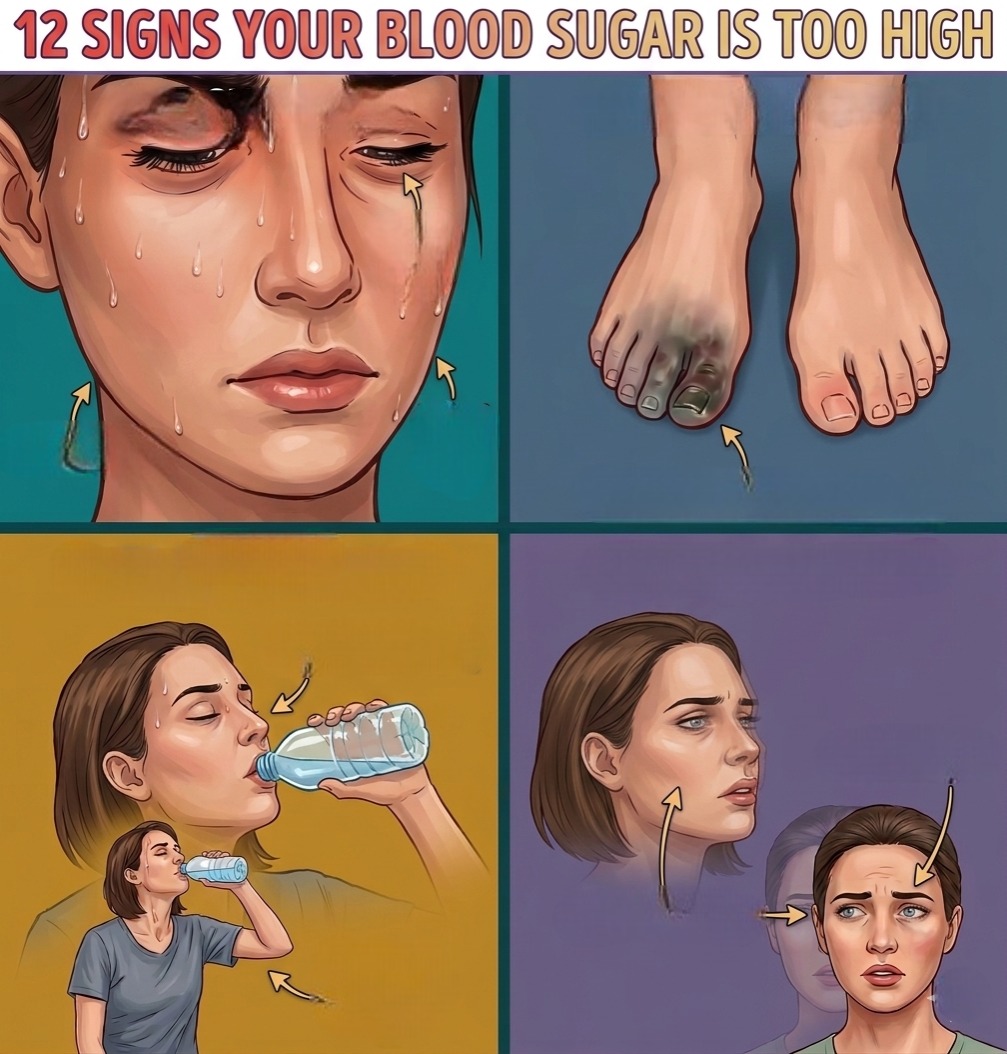
Nerve-related symptoms often appear as blood sugar remains uncontrolled for longer periods. Tingling, numbness, or a “pins and needles” sensation in the hands or feet can develop due to damage to small nerve fibers, a condition commonly associated with prolonged hyperglycemia. This occurs because elevated glucose levels can interfere with blood flow and oxygen delivery to nerves, gradually impairing their function. In early stages, these sensations may be intermittent or mild, but over time they can become more persistent if the underlying cause is not addressed. Emotional and cognitive changes may also become more noticeable, including irritability, mood swings, anxiety, or difficulty concentrating. These effects are partly due to fluctuations in energy supply to the brain and partly due to hormonal responses triggered by unstable glucose levels. When the brain does not receive consistent energy, it can influence neurotransmitter activity, including serotonin and dopamine pathways, which play key roles in mood regulation. As a result, individuals may experience emotional instability that seems disproportionate to external circumstances, further complicating the recognition of blood sugar imbalance as the underlying cause.
Physical signs such as dry skin, dry mouth, and swelling in the lower extremities can also develop as the condition progresses. Dehydration caused by frequent urination reduces moisture levels throughout the body, affecting skin elasticity and oral hydration. Swelling in the legs and feet may occur due to fluid imbalance and circulatory strain, particularly when blood vessels begin to lose their efficiency in regulating fluid distribution. In some cases, more advanced metabolic disruption can lead to the production of ketones, chemical byproducts that create a distinct breath odor often compared to acetone or nail polish remover. While this is more commonly associated with severe insulin deficiency, its presence highlights how deeply blood sugar imbalance can affect multiple systems simultaneously. These symptoms collectively demonstrate that glucose dysregulation is not an isolated condition but a whole-body process involving the endocrine system, cardiovascular system, nervous system, and immune response.