If left unmanaged, consistently high blood sugar can lead to serious long-term complications that develop gradually but have lasting consequences. Damage to blood vessels increases the risk of cardiovascular disease, while prolonged strain on the kidneys can lead to reduced renal function over time. The eyes may also be affected through conditions such as diabetic retinopathy, which can impair vision permanently if not addressed. Nerve damage may progress, leading to chronic pain, loss of sensation, or mobility issues. These outcomes emphasize the importance of early recognition and intervention, even before a formal diagnosis is made. Preventing progression often involves a combination of dietary adjustments, physical activity, hydration, and regular monitoring. However, the key lies not in fear of complications, but in awareness of how daily habits influence metabolic stability long before disease develops.Managing blood sugar effectively relies heavily on consistent lifestyle patterns that support insulin sensitivity and stable energy regulation. A balanced diet that includes fiber-rich vegetables, lean proteins, and complex carbohydrates helps prevent rapid spikes and crashes in glucose levels. Regular physical activity improves the body’s ability to use insulin efficiently, allowing glucose to be absorbed more effectively into cells. Hydration supports kidney function and helps maintain proper fluid balance, which is essential for metabolic processing. Sleep quality and stress management are also critical, as both can significantly influence hormonal regulation, including cortisol levels, which in turn affect blood sugar stability. Monitoring glucose levels, when appropriate, provides insight into how the body responds to different foods, activities, and stressors, enabling more informed adjustments. Ultimately, maintaining healthy blood sugar is not about strict control or restriction, but about creating a consistent internal environment where the body can regulate energy smoothly and efficiently, reducing strain on multiple systems and supporting long-term health and well-being.
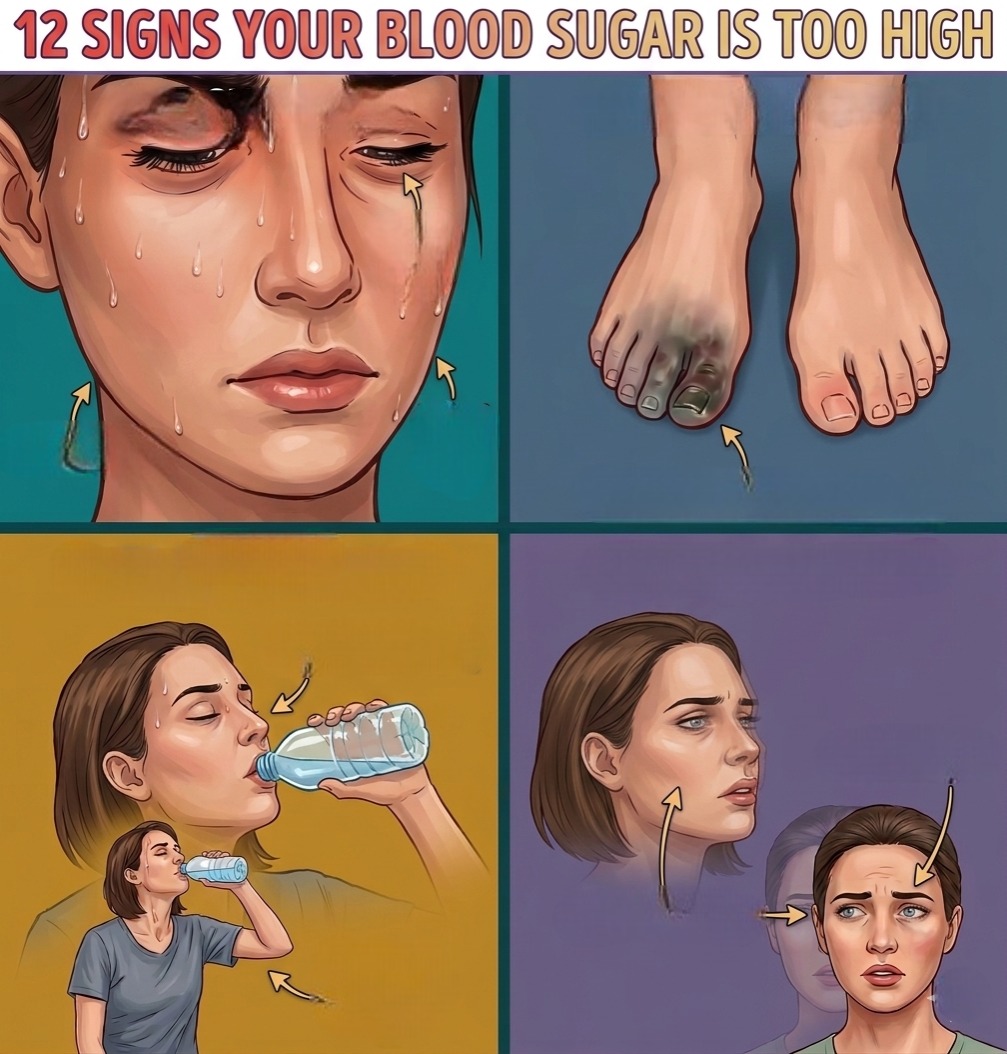
12 Signs Your Blood Sugar Is Too High: Experts Warn That Symptoms Like Frequent Urination, Excessive Thirst, Fatigue, Blurred Vision, Slow Healing Wounds, Increased Hunger, Headaches, Unexplained Weight Changes, Dry Mouth, Irritability, Tingling in Hands or Feet, and Recurrent Infections May Indicate Elevated Glucose Levels, Highlighting the Importance of Early Detection, Healthy Lifestyle Changes, and Medical Consultation to Prevent Serious Health Complications