Monitoring blood sugar is often discussed in the context of diabetes, but in reality, glucose regulation is a fundamental part of human metabolism that affects nearly every system in the body, even in individuals who have never been diagnosed with any metabolic disorder. Blood glucose serves as the primary energy source for cells, particularly the brain, which relies heavily on a steady supply to function properly. The body maintains this balance through a tightly regulated system involving insulin and glucagon, hormones produced by the pancreas that work together to keep glucose levels within a healthy range. When this system is functioning efficiently, blood sugar rises after meals and then returns to baseline as glucose is absorbed into cells. However, when insulin sensitivity begins to decline or when lifestyle factors consistently disrupt this balance, glucose can remain elevated in the bloodstream for longer periods, creating a state known as hyperglycemia. Over time, this imbalance does not simply remain a laboratory value—it begins to manifest through subtle physical, cognitive, and emotional symptoms that many people overlook or misattribute to stress, aging, or fatigue. Understanding these early signals is important because they often appear long before a formal diagnosis, offering an opportunity to intervene early through lifestyle and behavioral changes.
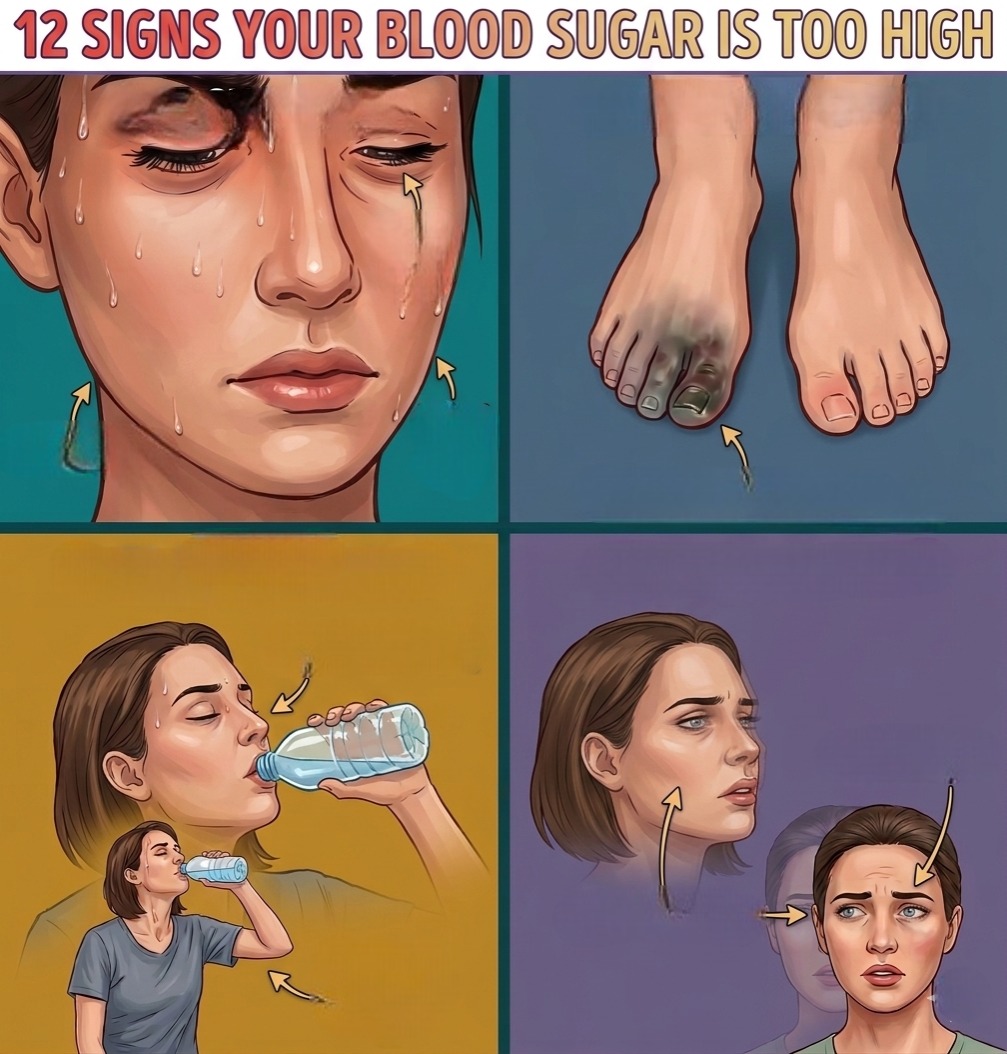
12 Signs Your Blood Sugar Is Too High: Experts Warn That Symptoms Like Frequent Urination, Excessive Thirst, Fatigue, Blurred Vision, Slow Healing Wounds, Increased Hunger, Headaches, Unexplained Weight Changes, Dry Mouth, Irritability, Tingling in Hands or Feet, and Recurrent Infections May Indicate Elevated Glucose Levels, Highlighting the Importance of Early Detection, Healthy Lifestyle Changes, and Medical Consultation to Prevent Serious Health Complications