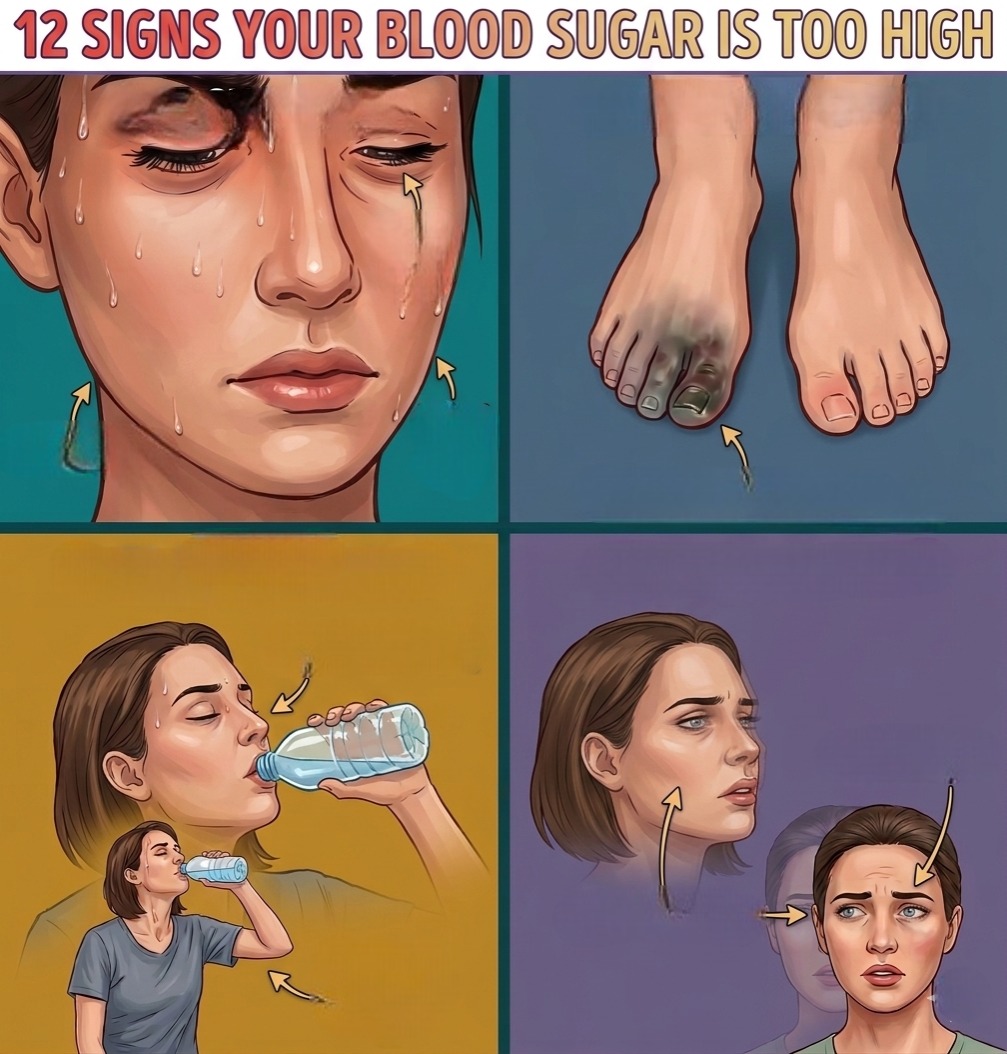
One of the erliest and most noticeable signs of elevated blood sugar is persistent thirst, often accompanied by frequent urination. This occurs because excess glucose in the bloodstream forces the kidneys to work harder to filter and eliminate it. When blood sugar levels exceed what the kidneys can efficiently reabsorb, glucose spills into the urine, drawing water along with it through a process called osmotic diuresis. This leads to increased fluid loss, dehydration, and a cycle in which the body continuously signals thirst in an attempt to restore balance. Many individuals experiencing this symptom may not immediately connect it to blood sugar, instead attributing it to weather, activity level, or inadequate water intake. However, when combined with other symptoms such as dry mouth, fatigue, or waking frequently during the night to urinate, it can indicate that glucose regulation is becoming impaired. Alongside this, some people experience increased hunger even after eating, which occurs because glucose is not effectively entering cells to be used for energy. The brain interprets this as a lack of fuel, triggering hunger signals despite adequate or even excessive food intake. This paradox—feeling both well-fed and energy-deprived at the same time—is a hallmark of disrupted insulin function and highlights how metabolic imbalances affect both physical sensation and neurological signaling.
As blood sugar remains elevated over time, the body begins to experience broader systemic effects that extend beyond basic hydration and appetite changes. Fatigue and mental fog are among the most common complaints, often described as a persistent lack of energy or difficulty concentrating. This occurs because cells are unable to efficiently utilize glucose without proper insulin activity, leaving the body with an abundance of circulating fuel that it cannot effectively convert into usable energy. At the same time, the kidneys and other organs are placed under increased strain as they attempt to manage excess glucose, further contributing to feelings of exhaustion. Vision changes can also occur, as fluctuating glucose levels affect the fluid balance within the eye’s lens, causing temporary swelling that leads to blurred or inconsistent vision. These changes may come and go depending on blood sugar fluctuations, which can make them easy to dismiss initially. However, their recurring nature often signals that the underlying metabolic imbalance is ongoing rather than incidental. Additionally, the immune system can become less efficient in high-glucose environments, making the body more susceptible to infections and slowing the healing process of even minor wounds. Cuts or bruises that take longer than usual to heal, or frequent skin, gum, or urinary infections, may indicate that elevated glucose is affecting normal immune function and tissue repair.