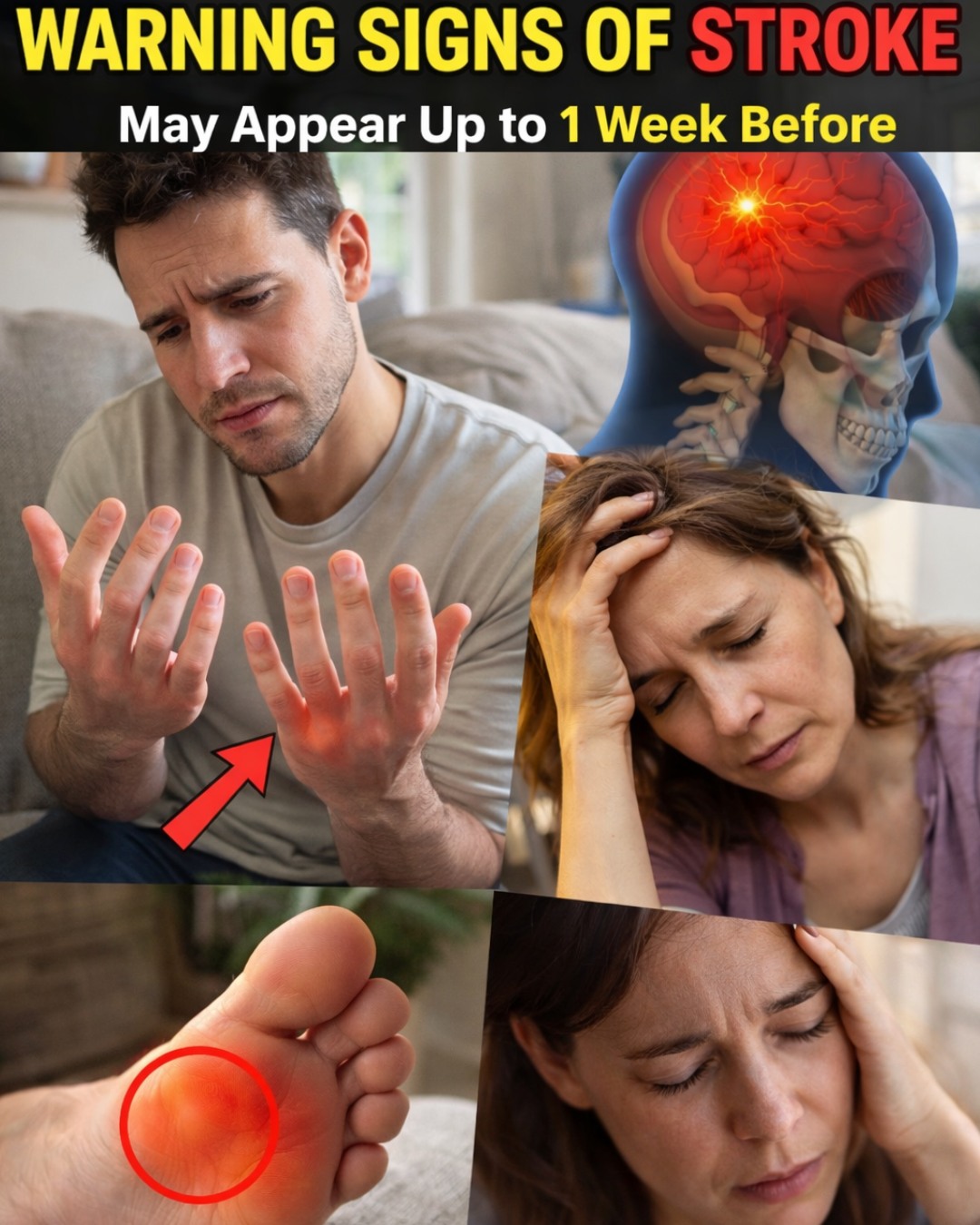
Organizations like the CDC and Mayo Clinic stress that acting on these signs early improves outcomes dramatically. For instance, TIAs are medical emergencies because they signal underlying problems like narrowed arteries, blood clots, or high blood pressure. Research shows that prompt evaluation after a TIA can help prevent up to 80% of subsequent strokes through lifestyle changes, medications, or procedures.
Women, in particular, sometimes report more nonspecific signs like sudden fatigue or confusion, which can delay recognition. No matter your age or gender, these changes deserve attention.
Actionable Steps You Can Take Right Now
If you spot any of these signs—even briefly—here’s what experts recommend:
- Call 911 immediately if symptoms are present. Time lost is brain lost—treatments work best in the first few hours.
- Note the exact time symptoms began. This helps doctors decide on the best options.
- Don’t drive yourself—let emergency services handle transport safely.
- Follow up even if symptoms disappear. See a doctor for tests like imaging or blood work to check for risk factors.
- Know your risks: Manage blood pressure, cholesterol, diabetes, and avoid smoking. Regular check-ups catch issues early.
Making small daily habits—like checking your blood pressure at home or staying active—builds protection over time.