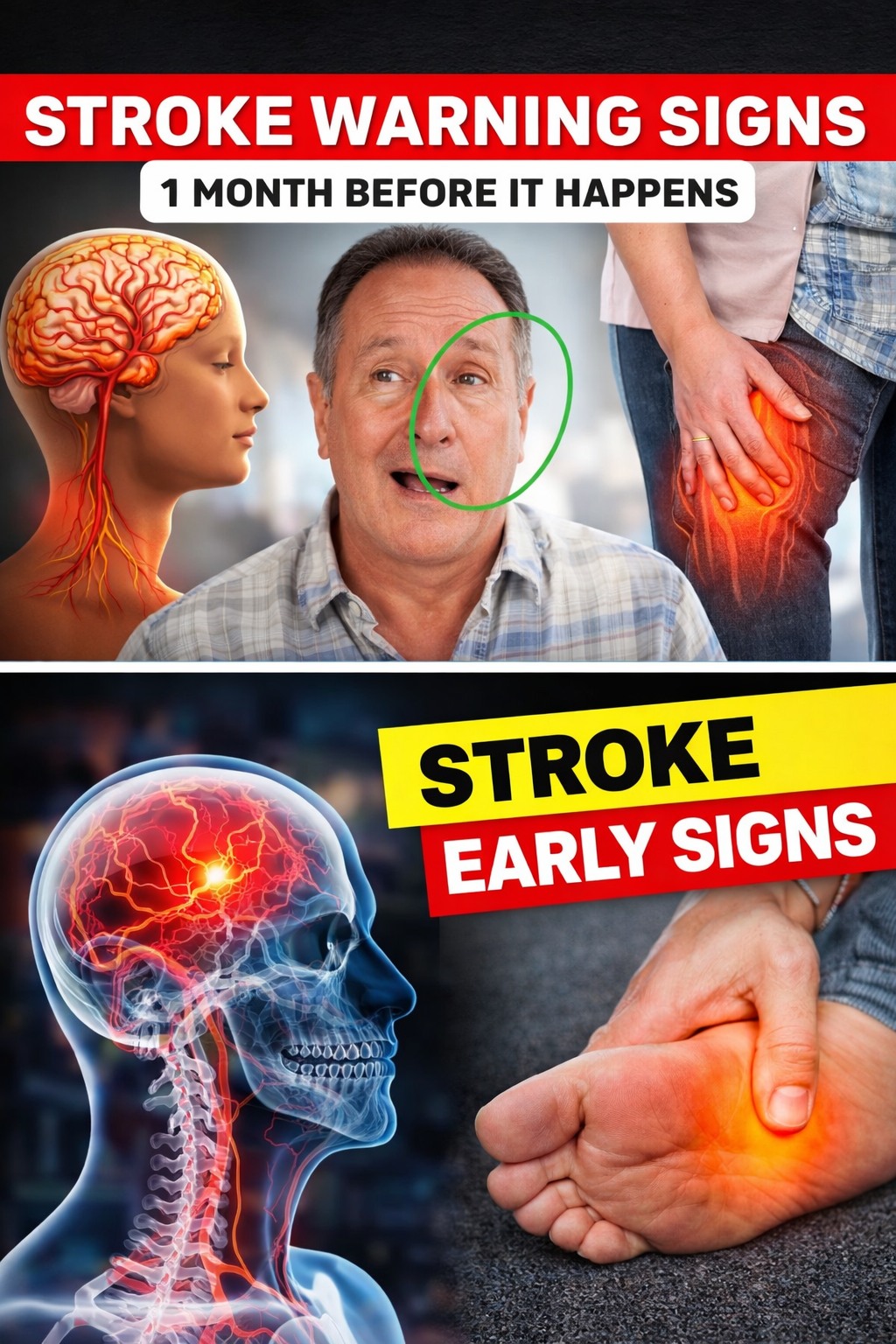
Feeling suddenly dizzy, unsteady on your feet, or uncoordinated without obvious reason? This can indicate cerebellar or brainstem involvement and is a strong warning sign.
Many people dismiss it as inner ear issues, but when combined with other symptoms, it demands attention. Studies show balance problems often appear in the weeks before stroke.
It stems from disrupted blood supply to balance centers. Quick mental check: Any unexplained dizziness or coordination issues?
Halfway mark: You’ve covered 5 of 8 warning signs.
Mid-Article Quiz Time! (Answer these mentally for deeper engagement)
- How many warning signs of stroke one month before have we uncovered so far? (5)
- What’s your biggest personal concern after reading this far? (Note it down.)
- Predict the most overlooked sign still to come.
- Rate your stroke awareness 1-10 now versus the start.
- Ready for the final warning signs and the 9 powerful prevention tips? Yes — keep going!
Fun, right? The most actionable part is ahead.

#6–8: Confusion, Sudden Behavioral Changes, and Extreme Fatigue
Sudden confusion or memory lapses, unexplained personality or behavioral shifts, and profound fatigue that feels different from normal tiredness can all signal reduced brain blood flow in the weeks before a stroke.
These subtler signs are frequently missed but are critical when they appear suddenly.
9 Powerful Tips to Prevent Stroke
Tip 1: Control blood pressure aggressively — the single most important modifiable risk factor.
Tip 2: Manage blood sugar and diabetes tightly.
Tip 3: Quit smoking and avoid secondhand smoke.
Tip 4: Maintain a healthy weight and active lifestyle with 150 minutes of moderate exercise weekly.
Tip 5: Eat a Mediterranean-style diet rich in fruits, vegetables, whole grains, and healthy fats.
Tip 6: Limit alcohol and avoid binge drinking.
Tip 7: Manage stress through meditation, sleep, and social connection.
Tip 8: Know your cholesterol and treat high levels if needed.
Tip 9: Recognize the warning signs immediately and call 911 at the first suspicion of stroke — time lost is brain lost.