But it’s not just the fleeting symptoms. Ignoring them can lead to a full stroke that causes permanent disability, loss of speech, paralysis, or even death. The consequences stack quickly: reduced independence, emotional trauma for families, massive medical costs, and a lifetime of rehabilitation. Have you paused to assess your own risk factors or any unusual symptoms on a scale of 1-5 lately? Be honest.
You’ve probably tried the common solutions — managing blood pressure, exercising occasionally, or taking a daily aspirin. Here’s why they often fall short: they may not address the specific early warning signs or the full spectrum of preventable factors that research shows can reduce stroke risk by up to 80%. But what if I told you there’s a completely different approach — one that combines recognizing 8 critical warning signs with 9 powerful, evidence-based prevention tips? The excitement is just beginning.
STOP — Before you continue reading this, take 30 seconds right now. Picture yourself or a loved one living stroke-free, with clear thinking, steady movement, and the confidence that comes from knowing you’re actively protected. What if learning these signs and tips could help make that your reality? You’re already in the top 40% of committed readers for making it this far — congrats. An exclusive insight is coming your way.
Why Stroke Warnings Appear Weeks Before the Event
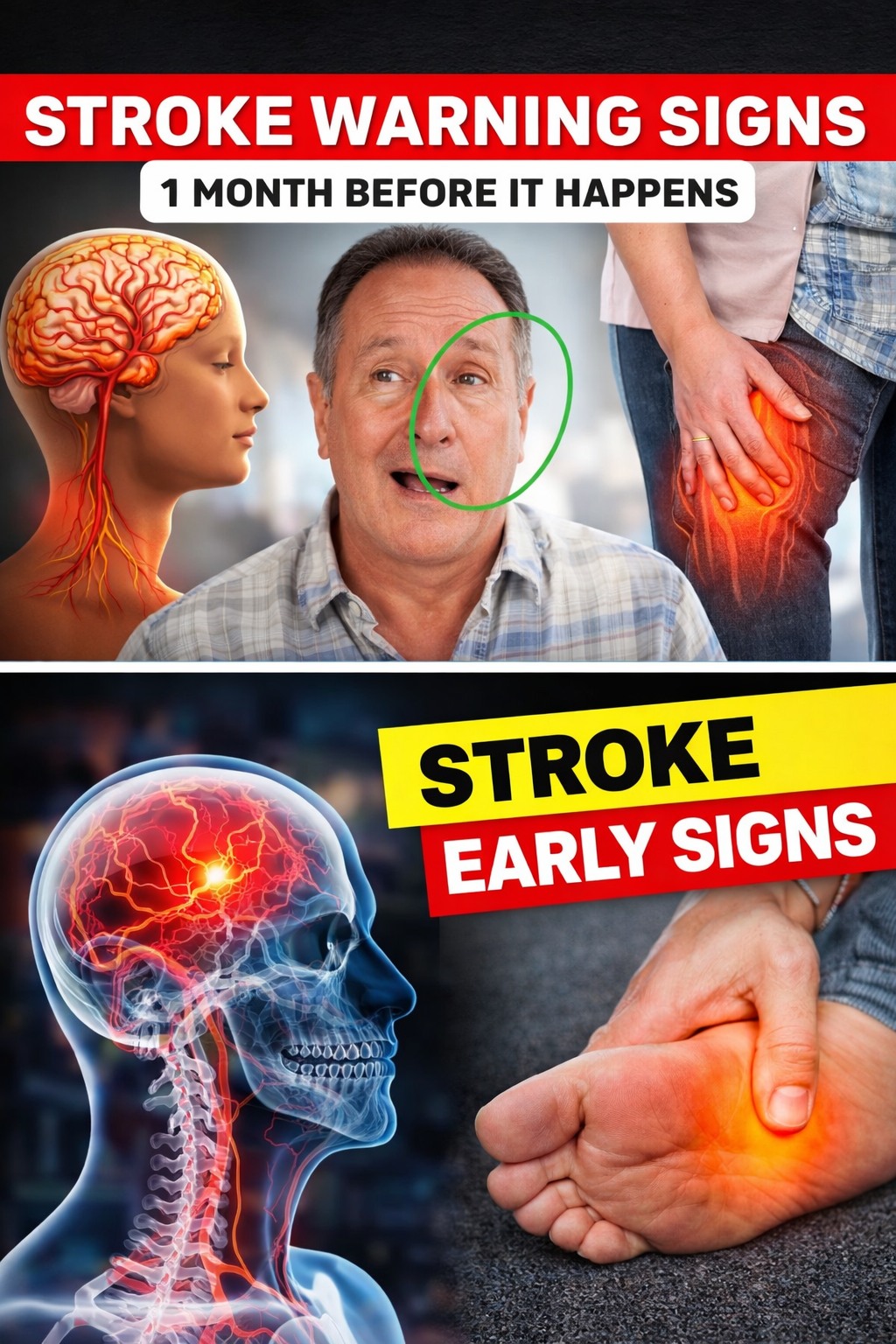
For perfectionists chasing optimal health or busy parents juggling careers and kids while managing personal wellness, subtle neurological changes can get lost in the daily rush. Health skeptics might think “it’s just a bad day,” but the data disagrees. A transient ischemic attack (TIA) is often called a “mini-stroke” because blood flow to the brain is briefly blocked — a clear warning that a larger stroke may follow within days, weeks, or a month.
Ever had that moment when one side of your face suddenly feels numb for a few minutes, or words come out jumbled before clearing up? Picture this: You’re 62, like our first story subject, Margaret, a retired accountant from Florida. She experienced a brief episode of dizziness and slurred speech while grocery shopping. “I thought it was low blood sugar or stress,” she shared. Her family noticed she seemed more forgetful afterward. Two weeks later, a more serious event occurred.
But here’s the plot twist most people miss: Those early warning signs are your brain’s urgent alert system, and acting on them with the right prevention strategies can dramatically reduce risk. You’re not helpless; you just haven’t learned to recognize the 8 critical signs and implement the 9 powerful tips yet. And we’re only getting started.
Quick mental exercise: On a scale of 1-10, how often do you experience fleeting neurological symptoms? Hold that thought. The first warning sign of stroke one month before is about to hit close to home.